
ABP Diplomate Interview
2026 Q2 Periospectives
Chevy Chase, MD
Tell us a little about yourself and your current practice?
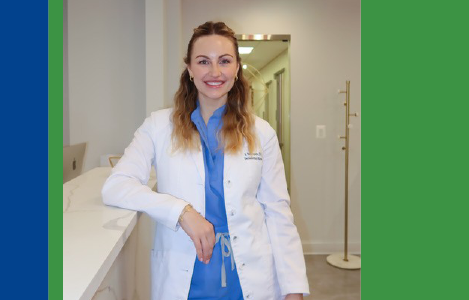
I’m a board-certified periodontist practicing in Chevy Chase, Maryland, where I run a fee-for-service periodontal practice. My focus is on delivering the highest level of care without the constraints that come with insurance-driven dentistry. That model allows me to spend real time with patients, individualize their treatment, and invest in the techniques and technology that produce the best outcomes. I’m married with three children, which keeps life full and grounded outside the office.
What inspired you to follow in your family’s footsteps as a fourth-generation dentist?
Dentistry has always been part of the fabric of my life. Growing up, I watched it modeled as a profession that combines science, artistry, and genuine service to people, and that combination never lost its appeal. By the time I was making my own career decisions, it wasn’t really a question of whether I would go into dentistry, but where within it I could make the greatest impact. Periodontics chose me as much as I chose it. The surgical precision, the connection to systemic health, the ability to truly restore someone’s quality of life. It felt like the right home.
When did you decide to pursue Board certification and why?
Board certification was always something I took seriously as a commitment to my patients, not just a credential. It’s a rigorous process: written and oral examinations with case documentation to demonstrate clinical mastery. Going through it forces you to hold yourself to a standard that goes beyond what anyone else requires of you. I wanted to be able to say, with full confidence, that I had been evaluated by my peers and met the highest bar the specialty sets. For patients in a fee-for-service practice, that matters. They’re choosing you entirely on merit.
How has your expertise in microsurgical techniques influenced your approach to periodontal treatment?
Microsurgery has fundamentally changed how I think about precision and tissue management. When you’re working under magnification, you operate with an entirely different level of intentionality. Every incision, every suture placement is deliberate. The outcomes reflect that. Patients heal faster, with less discomfort, and with more predictable results. I think it raises the floor of what “good” looks like. Once you’ve trained at that level, you can’t unsee what’s possible, and you can’t settle for less.
What strategies have you found most effective for balancing the demands of running a busy periodontal practice with raising a young family?
I won’t pretend there’s a perfect formula. There isn’t. What I’ve found is that the same principles that make a practice run well also make family life more manageable: clear systems, good communication, and trusting the people around you. I’ve invested in building a strong team, because when your practice operates well without you micromanaging every detail, you actually get to be present at work and at home. And I’ve made peace with the fact that balance is dynamic, not static. Some weeks the practice needs more; some weeks my kids do. The goal is that neither is chronically neglected.
What are your professional goals for the next five to ten years?
My primary goal is to be the go-to periodontist in the DC area, not just by reputation, but by the systems and relationships I’ve built with the referring community. I want general dentists to feel that sending a patient to my practice is seamless, that their patients are in exceptional hands, and that they’re kept in the loop every step of the way. Beyond that, I’m interested in continuing to push the clinical side, staying at the forefront of regenerative techniques and microsurgery. And personally, I hope to have more opportunities to mentor the next generation of periodontists, particularly women entering the specialty.
What makes your generation of periodontists unique?
We trained at an inflection point. The evidence base for the systemic connections to periodontal disease matured during our education. Digital workflows, cone beam imaging, laser therapy. These were becoming standard, not experimental, when we were learning. I think we also came up with a different relationship to patient communication and practice ownership. We’re more entrepreneurial, more likely to ask why a system exists before accepting it, and more focused on the patient experience as part of clinical excellence, not separate from it.
What motivates you in your career?
Honestly, the patients. There’s a particular kind of patient who comes to a periodontist feeling embarrassed, sometimes for years, about something they felt powerless to address. When you can change that, restore their health, their function, their confidence, it doesn’t get old. And professionally, I’m motivated by the pursuit of mastery. I want to be the best at what I do. That’s not arrogance; it’s the standard I hold myself to because my patients deserve it.
What do you think is different about the practice of periodontics today?
The scope has expanded significantly. Periodontics is no longer just about treating gum disease. We’re central to implant dentistry, to aesthetic outcomes, to managing patients with complex medical histories where periodontal inflammation has real systemic consequences. That’s exciting, but it also raises the stakes. Patients today are more informed, more discerning, and they have options. The periodontists who thrive are the ones who combine clinical excellence with a practice experience that reflects the level of care they deliver. Excellence behind the chair has to match excellence in every other touchpoint.
2026 Q2 Periospectives
Chevy Chase, MD
Tell us a little about yourself and your current practice?
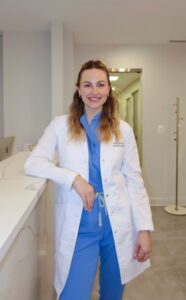
I’m a board-certified periodontist practicing in Chevy Chase, Maryland, where I run a fee-for-service periodontal practice. My focus is on delivering the highest level of care without the constraints that come with insurance-driven dentistry. That model allows me to spend real time with patients, individualize their treatment, and invest in the techniques and technology that produce the best outcomes. I’m married with three children, which keeps life full and grounded outside the office.
What inspired you to follow in your family’s footsteps as a fourth-generation dentist?
Dentistry has always been part of the fabric of my life. Growing up, I watched it modeled as a profession that combines science, artistry, and genuine service to people, and that combination never lost its appeal. By the time I was making my own career decisions, it wasn’t really a question of whether I would go into dentistry, but where within it I could make the greatest impact. Periodontics chose me as much as I chose it. The surgical precision, the connection to systemic health, the ability to truly restore someone’s quality of life. It felt like the right home.
When did you decide to pursue Board certification and why?
Board certification was always something I took seriously as a commitment to my patients, not just a credential. It’s a rigorous process: written and oral examinations with case documentation to demonstrate clinical mastery. Going through it forces you to hold yourself to a standard that goes beyond what anyone else requires of you. I wanted to be able to say, with full confidence, that I had been evaluated by my peers and met the highest bar the specialty sets. For patients in a fee-for-service practice, that matters. They’re choosing you entirely on merit.
How has your expertise in microsurgical techniques influenced your approach to periodontal treatment?
Microsurgery has fundamentally changed how I think about precision and tissue management. When you’re working under magnification, you operate with an entirely different level of intentionality. Every incision, every suture placement is deliberate. The outcomes reflect that. Patients heal faster, with less discomfort, and with more predictable results. I think it raises the floor of what “good” looks like. Once you’ve trained at that level, you can’t unsee what’s possible, and you can’t settle for less.
What strategies have you found most effective for balancing the demands of running a busy periodontal practice with raising a young family?
I won’t pretend there’s a perfect formula. There isn’t. What I’ve found is that the same principles that make a practice run well also make family life more manageable: clear systems, good communication, and trusting the people around you. I’ve invested in building a strong team, because when your practice operates well without you micromanaging every detail, you actually get to be present at work and at home. And I’ve made peace with the fact that balance is dynamic, not static. Some weeks the practice needs more; some weeks my kids do. The goal is that neither is chronically neglected.
What are your professional goals for the next five to ten years?
My primary goal is to be the go-to periodontist in the DC area, not just by reputation, but by the systems and relationships I’ve built with the referring community. I want general dentists to feel that sending a patient to my practice is seamless, that their patients are in exceptional hands, and that they’re kept in the loop every step of the way. Beyond that, I’m interested in continuing to push the clinical side, staying at the forefront of regenerative techniques and microsurgery. And personally, I hope to have more opportunities to mentor the next generation of periodontists, particularly women entering the specialty.
What makes your generation of periodontists unique?
We trained at an inflection point. The evidence base for the systemic connections to periodontal disease matured during our education. Digital workflows, cone beam imaging, laser therapy. These were becoming standard, not experimental, when we were learning. I think we also came up with a different relationship to patient communication and practice ownership. We’re more entrepreneurial, more likely to ask why a system exists before accepting it, and more focused on the patient experience as part of clinical excellence, not separate from it.
What motivates you in your career?
Honestly, the patients. There’s a particular kind of patient who comes to a periodontist feeling embarrassed, sometimes for years, about something they felt powerless to address. When you can change that, restore their health, their function, their confidence, it doesn’t get old. And professionally, I’m motivated by the pursuit of mastery. I want to be the best at what I do. That’s not arrogance; it’s the standard I hold myself to because my patients deserve it.
What do you think is different about the practice of periodontics today?
The scope has expanded significantly. Periodontics is no longer just about treating gum disease. We’re central to implant dentistry, to aesthetic outcomes, to managing patients with complex medical histories where periodontal inflammation has real systemic consequences. That’s exciting, but it also raises the stakes. Patients today are more informed, more discerning, and they have options. The periodontists who thrive are the ones who combine clinical excellence with a practice experience that reflects the level of care they deliver. Excellence behind the chair has to match excellence in every other touchpoint.